
Project Pathway to Hope
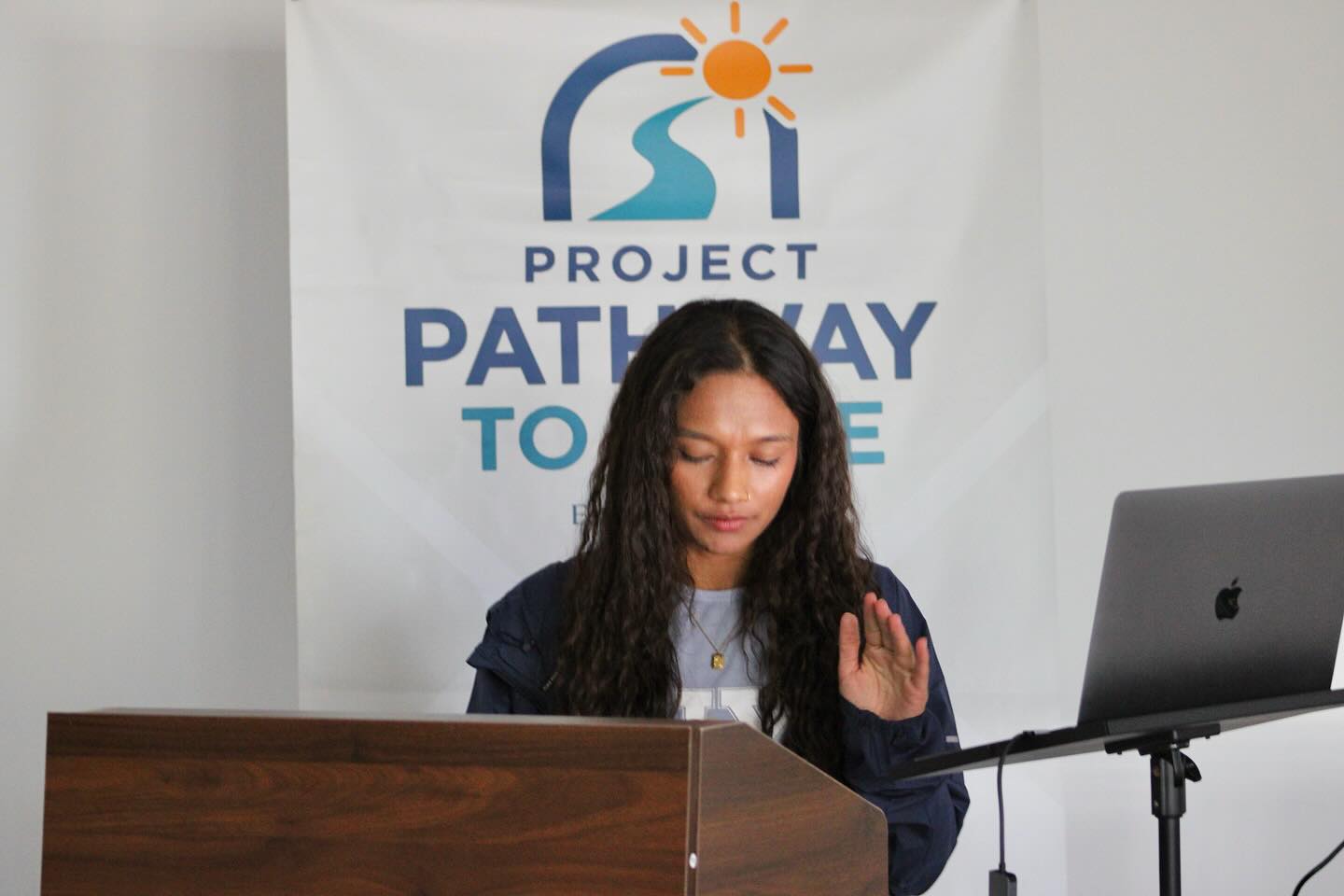
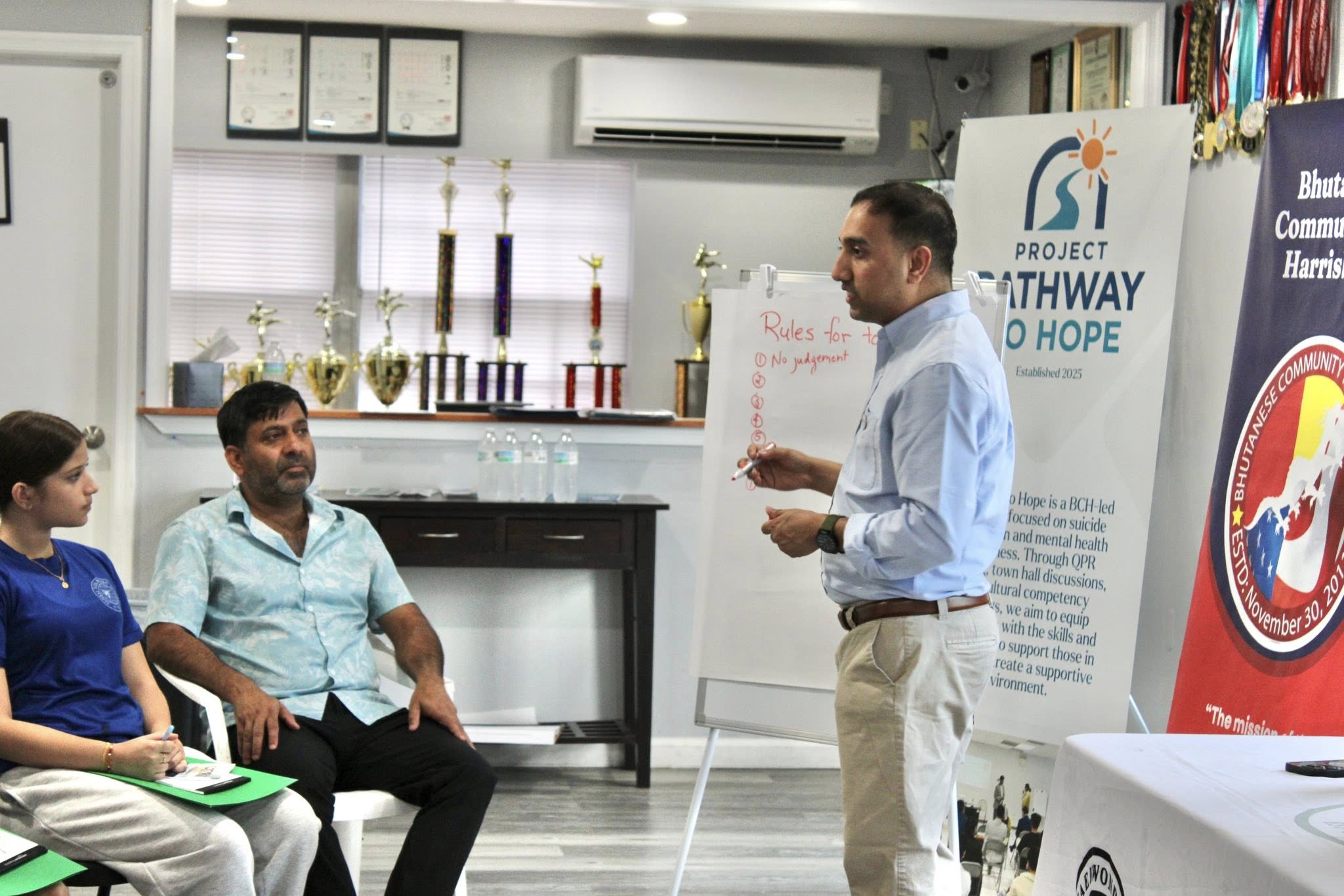
Pathway to Hope is a community initiative focused on suicide prevention and mental health awareness
What We Do
Youth Mental Health First Aid Training
In this full-day training, you’ll learn how to help young people ages 12-18. Topics include anxiety, depression, eating disorders, bullying, social media, substance use, and ADHD.
“Your mind is like a garden. With care, it will bloom beautifully.” — Unknown
Who should take yMHFA?
Parents
Family members
Guardians
Caregivers
Teachers and school staff
Coaches
Camp counselors
Youth group leaders
Health and human services workers
If you are interested in taking this training, please contact our trainers.
Trainers
Narad Adhikari - [email protected]
Bhim Thapaliya - [email protected]
Teen Mental Health First Aid Training
In this two-day training, teens learn how to help each other through hard times. Topics include anxiety, depression, eating disorders, bullying, social media, substance use, and ADHD.
“The journey of a thousand miles begins with a single step. Take that step today. No matter how small, every step forward counts” — ancient Chinese philosopher Lao Tzu
Who should take tMHFA?
High school students in grades 9-12
Teenagers ages 14-18
If you are interested in taking this training, please contact our trainers.
Trainers
Ashika Dhaurali - [email protected]
Melina Dhital - [email protected]
QPR Gatekeeper Training
QPR stands for Question, Persuade, and Refer — the 3 simple steps anyone can learn to help save a life from suicide. Just as people trained in CPR and the Heimlich Maneuver help save thousands of lives each year, people trained in QPR learn how to recognize the warning signs of a suicide crisis and how to question, persuade, and refer someone to help. QPR can be learned in our Gatekeeper course in as little as one hour.
According to the Surgeon General’s National Strategy for Suicide Prevention (2001), a gatekeeper is someone in a position to recognize a crisis and the warning signs that someone may be contemplating suicide.
“This life. This night. Your story. Your hope. It matters. All of it matters.” — Jamie Tworkowski
Who should take QPR?
Anyone aged 16 or 18 and older
If you are interested in taking this training, please contact our trainers.
Trainers
Ashika Dhaurali - [email protected]
Melina Dhital - [email protected]
Narad Adhikari - [email protected]
Bhim Thapaliya - [email protected]
Keshav Ghimirey - [email protected]
Cultural Provider Trainings
This is a 45-minute to 1.5-hour cultural training for mental health service providers about Bhutanese culture to enable them to provide culturally and linguistically appropriate mental health treatment and
services.
“Cultural competence is the ability of a person to effectively interact, work, and develop meaningful relationships with people of various cultural backgrounds” — Nebraska Extension Publications
Who should take our Cultural Provider Training?
Mental health clinics
Hospitals
Police Officers
School staff
If you are interested in taking this training, please contact our trainers.
Trainers
Melina Dhital - [email protected]
Chiya Talk
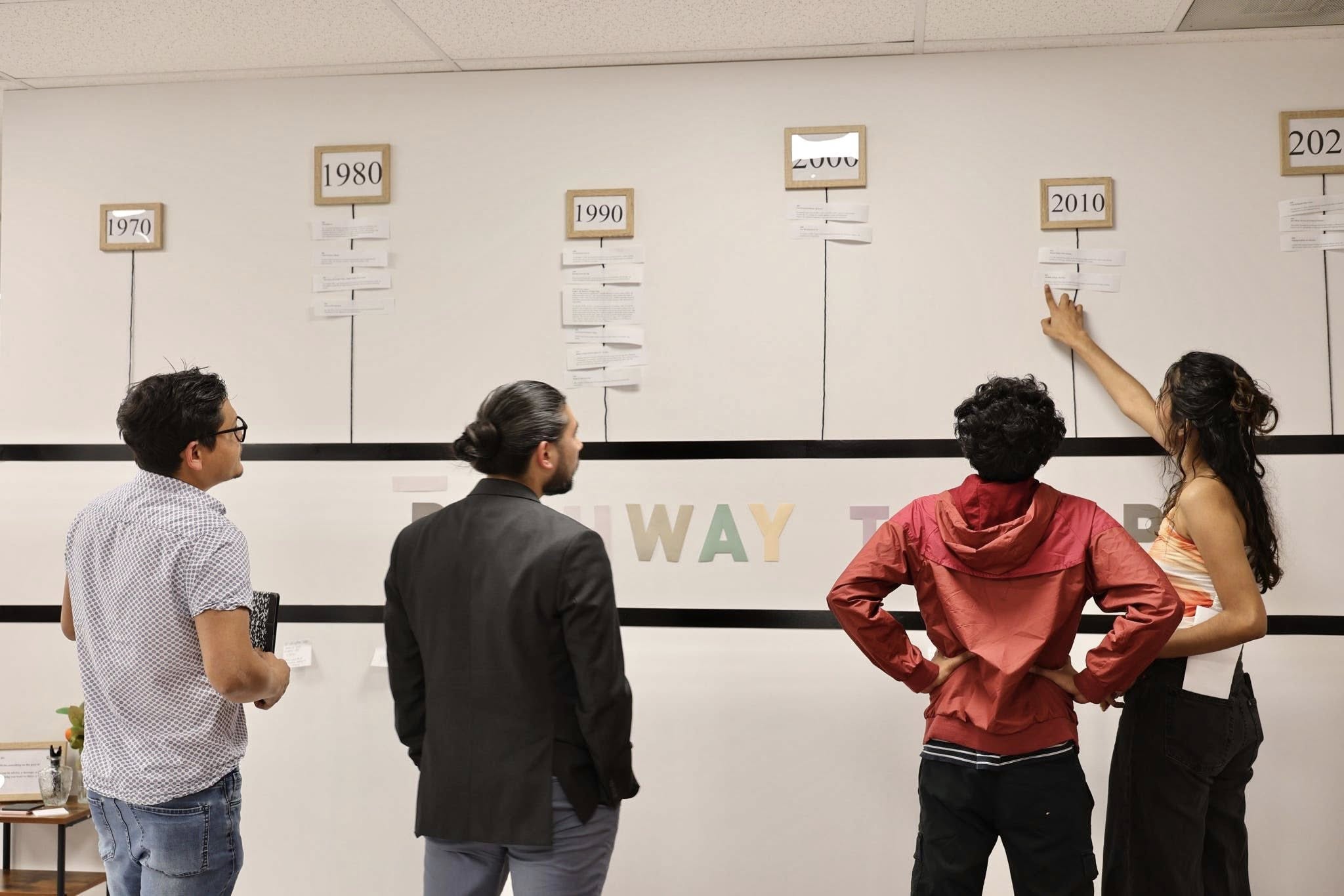
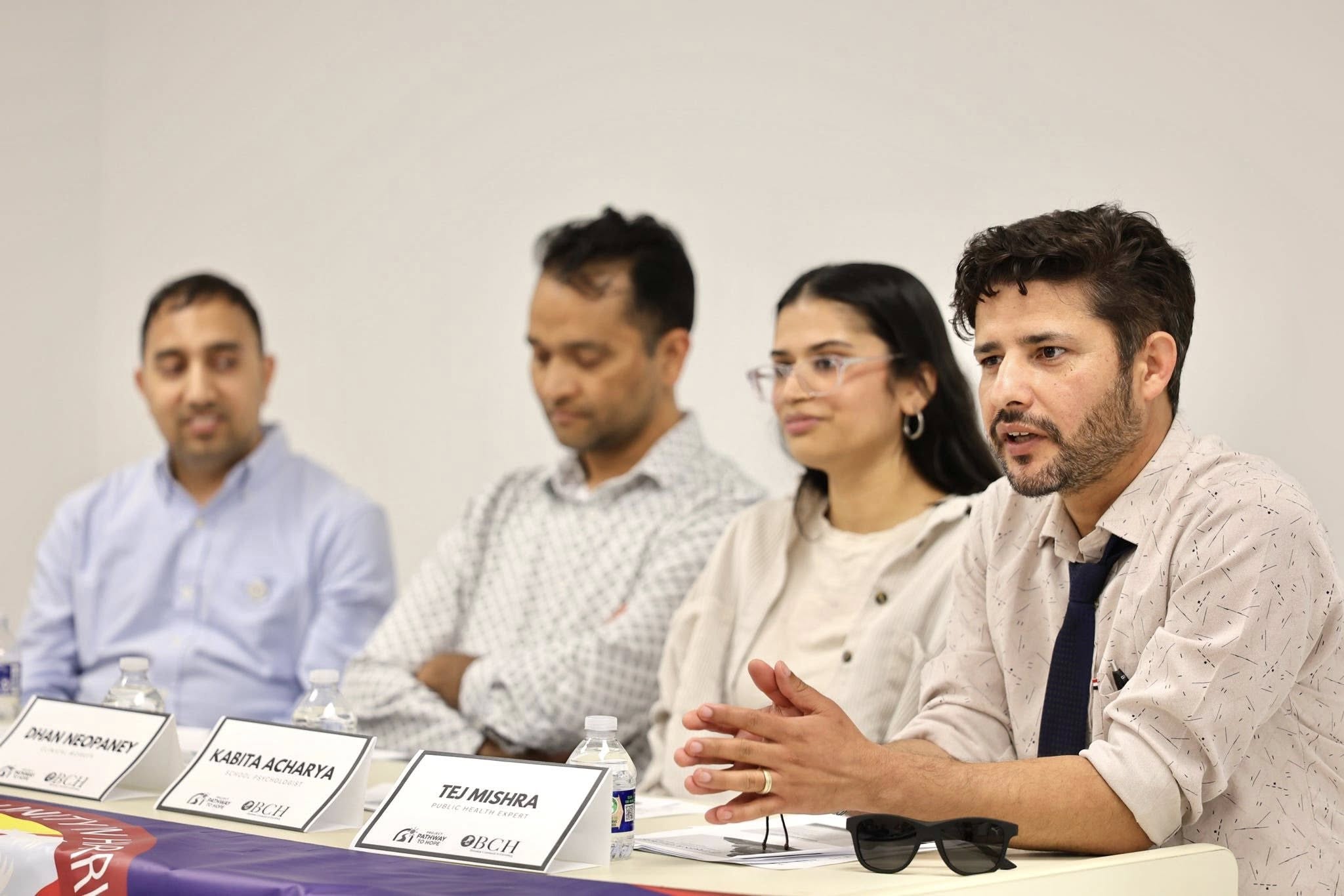
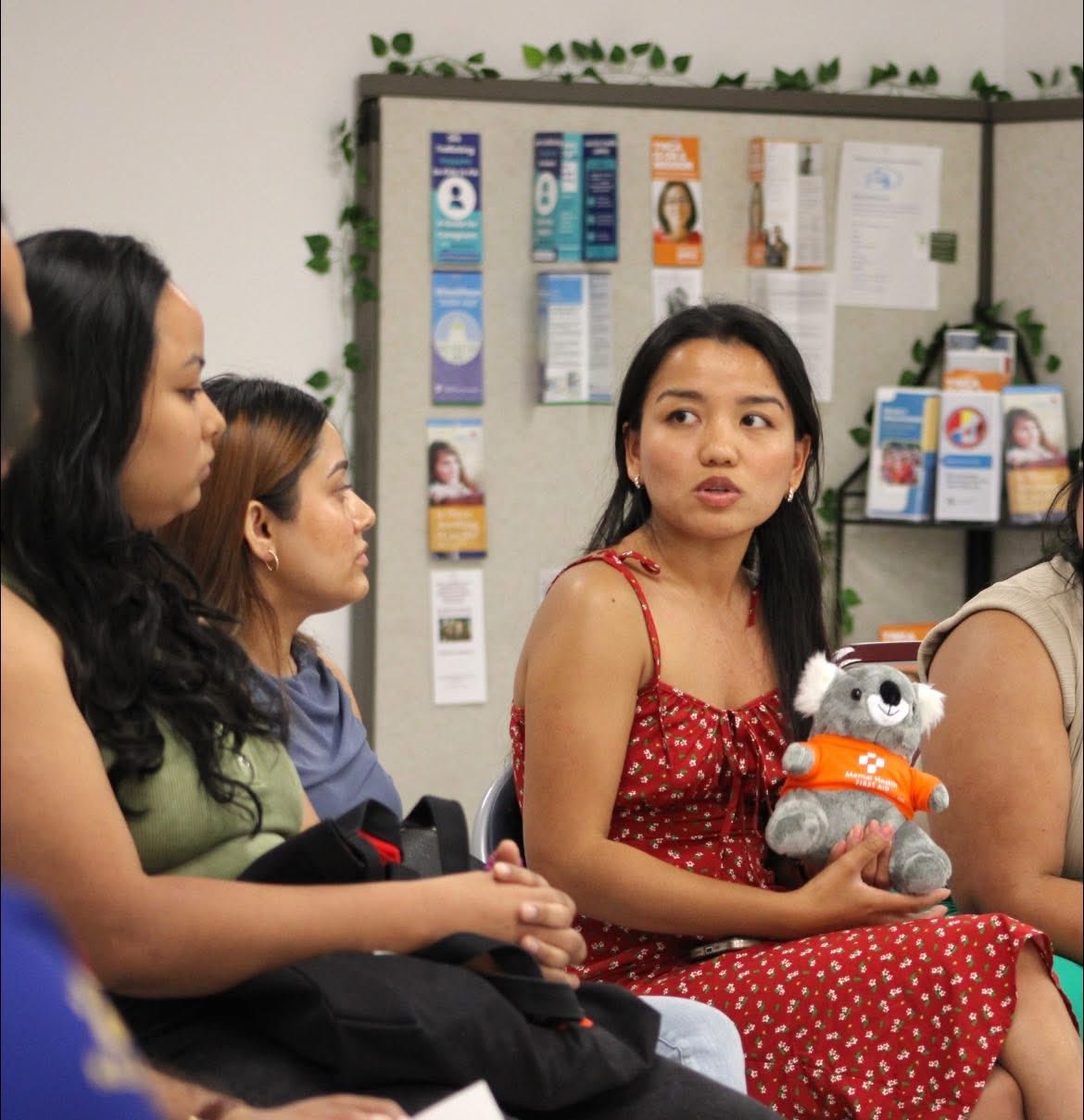
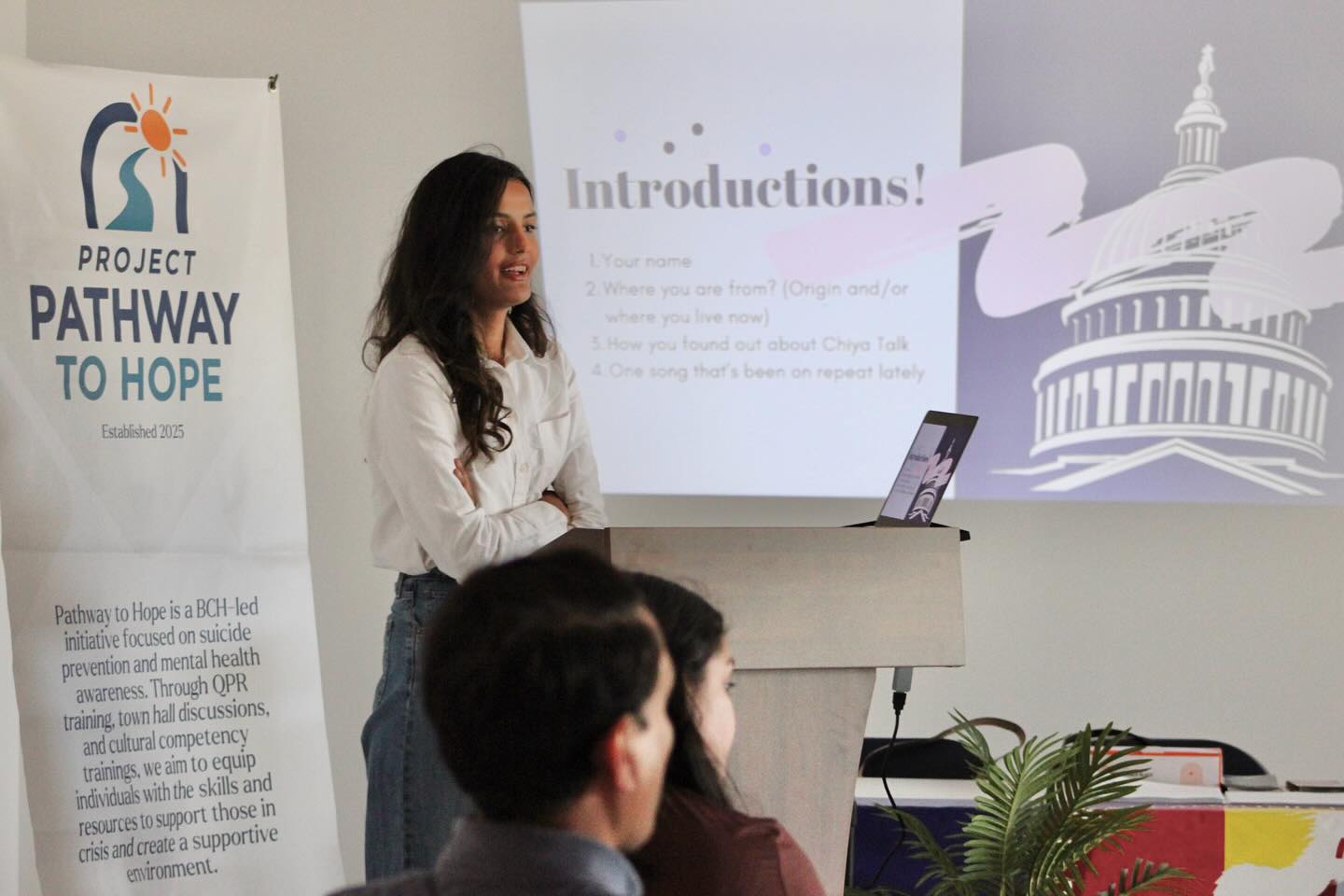
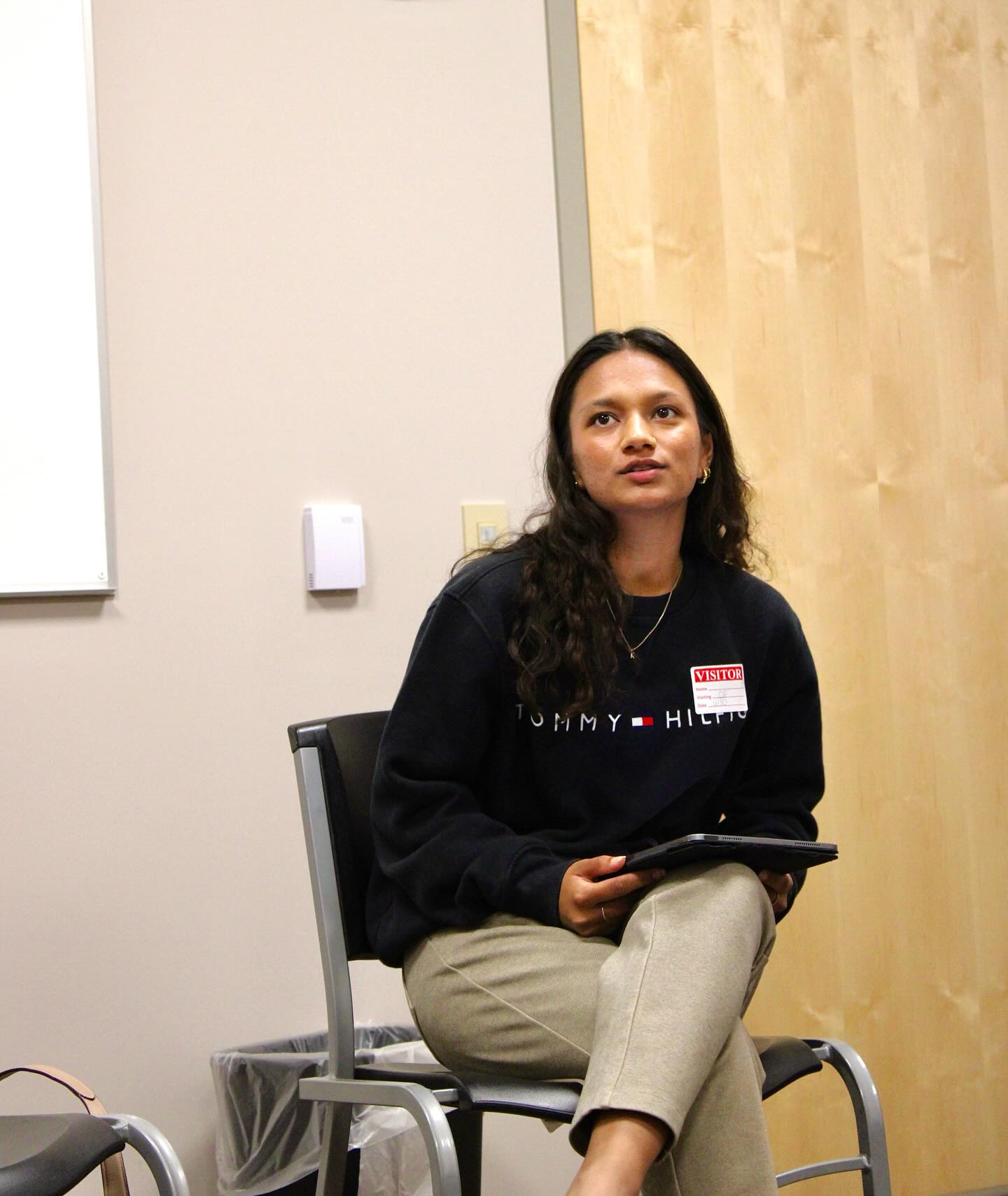
Chiya Talk is a mental health town hall. It comprises an afternoon of community dialogue centered on mental health and care in our post-resettlement lives. It typically features a panel discussion, storytelling circle, open mic, the Wall of Hope, and a resource corner. Authentic refreshments and a light lunch are provided.
“Our Chiya Talk sessions are an accessible and sustainable intervention to build mutual support within the community” — Ashika Dhaurali, Project Coordinator, Pathway to Hope
Who should come to Chiya Talk?
Anyone and everyone. No age limits.
If you are interested in being a part of Chiya Talk, please contact our facilitators.
Facilitators
Ashika Dhaurali - [email protected]
Melina Dhital - [email protected]

Our mission is to empower the Nepali-speaking Bhutanese Community in Central Pennsylvania by addressing the health, socioeconomic, and cultural challenges they face.


© All right reserved 2024 BCH — Built By Sales Drive Pro